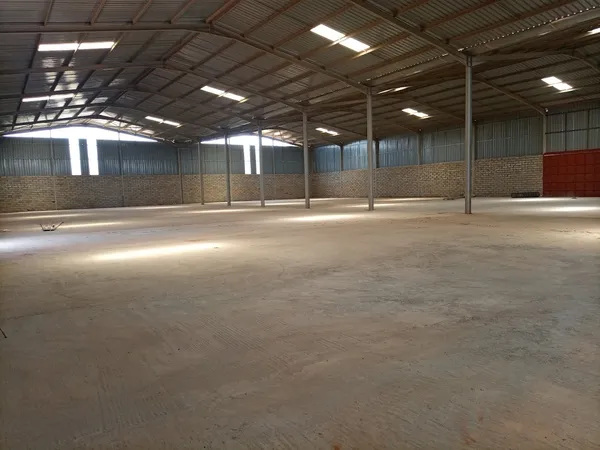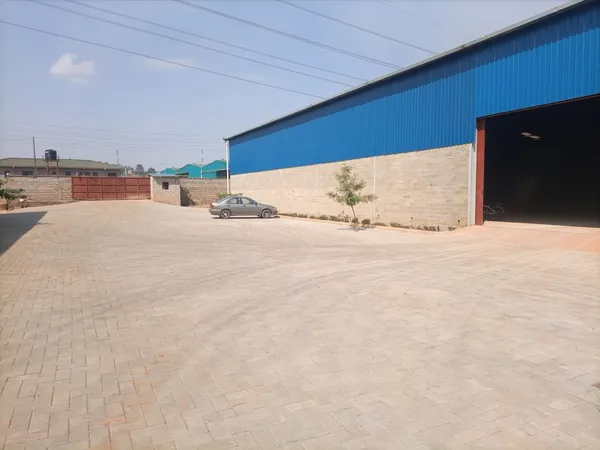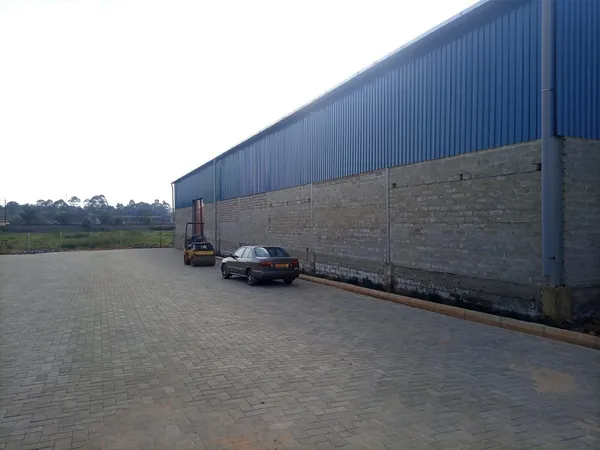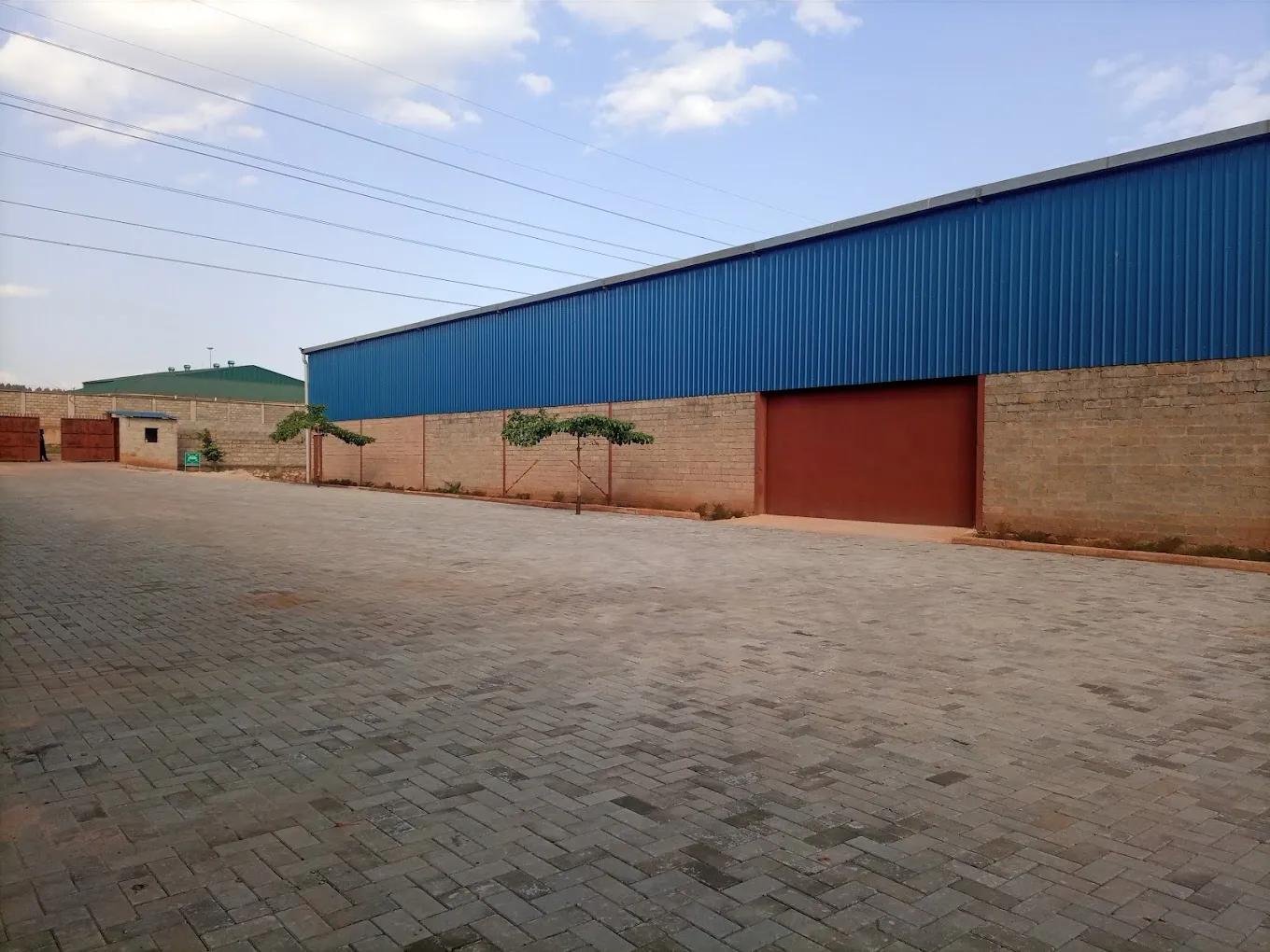
Factory units at Pio Industrial and Business Park come with 8–12m clear internal height, three-phase power supply, and floor loads rated to 5 tonnes/sqm — the three specifications that matter most for any manufacturing operation. Units start from 1,000 sqm and sit 400 metres from the Kampala–Jinja Highway at Namanve, Uganda’s primary industrial zone.
TL;DR: Factory space at Namanve, Kampala starts from 1,000 sqm with 8–12m ceiling height, three-phase power, and floor loads to 5 t/sqm. Rental rates run UGX 20,000–28,000/sqm/month at Namanve. Medium-sized units of 1,500–2,500 sqm are the most popular for light to medium manufacturing. Call 0200 925 146 or email hazeda@piolimited.com to check availability.
For a broader overview of zones, pricing, and what to look for in a lease, see our complete guide to renting industrial space in Kampala.
What Makes a Factory Unit Work?
The wrong factory specification is more expensive than paying slightly more rent for the right one. Four technical specifications determine whether a factory building can support your operation.
Clear Internal Height
Ceiling height determines what machinery fits, how racking systems are configured, and whether overhead cranes or hoists can be installed. Light manufacturing (assembly, packaging, food processing) needs 6–9m. Medium manufacturing (metal fabrication, furniture, larger production lines) needs 8–12m. Heavy engineering and steel fabrication typically requires 12m+.
At Pio, the available units deliver 8–12m clear height — covering light through to medium-heavy manufacturing without compromise.
Three-Phase Power
Single-phase power runs domestic and light commercial equipment. Three-phase power is required for industrial motors above approximately 3kW, compressors, welding equipment, CNC machinery, production conveyors, and most food processing lines. Verify three-phase availability before viewing any factory space.
Namanve’s industrial zone is fully equipped for three-phase supply. Pio connects tenants to the grid directly with clearly specified connection capacity per unit.
Floor Load Rating
Standard concrete floors in commercial buildings handle 1–2 tonnes/sqm. Industrial floors in purpose-built factory units should handle 3–5 tonnes/sqm as a baseline. Heavy manufacturing — steel, concrete products, heavy vehicle assembly — needs 5+ tonnes/sqm. Check the floor load specification in the lease document, not just the sales material.
Pio’s factory units are rated to 5 tonnes/sqm, covering the full range of medium to heavy manufacturing applications.
Loading Access
How do goods move in and out? The loading dock arrangement — number of bays, dock leveller provision, turning radius for articulated trucks — determines throughput capacity. A bottleneck at the loading dock limits your entire production operation regardless of how efficient the line itself is.
We’ve seen operations underestimate loading access requirements more than any other specification. Two loading bays can handle 4–6 truck movements per hour in practice. For operations running more than 10 truck movements per shift, specify this requirement before lease execution and confirm dock configuration directly.
Light vs Heavy Manufacturing: Which Factory Unit Do You Need?
Most Kampala manufacturing operations fall into one of two broad categories. The space specification requirements differ significantly.
Light Manufacturing
Light manufacturing covers food and beverage processing, packaging, garment production, electronics assembly, furniture assembly, and similar operations. These businesses need:
- Clear height: 6–9m
- Floor load: 2–3 tonnes/sqm
- Power: Three-phase preferred; some operations manage on enhanced single-phase
- Loading: Standard dock or ground-level access
Light manufacturing units are the most common request at Namanve. They’re versatile enough to accommodate growth without requiring structural modification. Food processing tenants additionally need water connection capacity and drainage — both available at Pio.
Heavy Manufacturing
Heavy manufacturing covers steel fabrication, precast concrete, heavy vehicle servicing and assembly, chemical production, and similar operations. Requirements are more demanding:
- Clear height: 10–14m (to accommodate overhead cranes)
- Floor load: 5+ tonnes/sqm
- Power: Three-phase with high-capacity connection (200+ kVA)
- Loading: Multiple heavy-duty bays, large turning radius, possible rail or dock connection
At Pio’s Namanve site, the factory units at 8–12m height and 5 tonnes/sqm floor rating comfortably cover most medium-heavy applications. For the most demanding heavy engineering operations, a site visit to confirm crane runways and structural load points is essential before committing.
Medium-Sized Factory Units: 1,500–2,500 sqm
The 1,500–2,500 sqm unit range is where the majority of Kampala manufacturing enquiries land. It’s large enough to run a meaningful production line with proper materials staging and finished goods storage. It’s small enough that the monthly cost remains manageable for a growing business.
At UGX 24,000/sqm/month (Namanve midpoint for factory space), a 2,000 sqm factory unit costs approximately UGX 48,000,000/month in base rent. Total occupancy cost including service charges, utilities, and insurance sits around UGX 60,000,000–70,000,000/month for a medium-intensity manufacturing operation.
The most common production line configurations we see in 1,500–2,500 sqm factory units at Namanve: food processing lines with cold storage annex, packaging operations with raw materials warehouse, and light metal fabrication with materials storage. All three comfortably fit within a 2,000 sqm unit with proper layout planning.
What fits in 2,000 sqm:
- Main production floor: 1,200–1,400 sqm
- Materials staging and raw goods storage: 300–400 sqm
- Office and welfare facilities: 150–200 sqm
- Loading and dispatch area: 200–300 sqm
For a full cost breakdown including service charges and utilities, see our 2026 warehouse and factory pricing guide for Kampala. For businesses considering Uganda as an East Africa manufacturing base, see our East Africa industrial space and investor incentives guide.
Why Namanve for Manufacturing?
Location choice for a factory is a 5–10 year decision. Get it wrong and you’re paying for it in logistics costs and infrastructure failures every working day.
Highway access: Namanve sits on the Kampala–Jinja Highway — the Northern Corridor’s Ugandan spine. Finished goods reach Jinja in 90 minutes, Malaba border in 4–5 hours, Nairobi in 12–14 hours. Raw material deliveries from Mombasa port arrive in 3–4 days by road. For export-oriented manufacturers, this matters enormously.
Power reliability: Namanve’s grid connection is among the most reliable in Uganda. Pio adds on-site generator backup for both common areas and individual units. Production downtime from power outages is a real cost — factories with poor power arrangements lose 2–5 production days per month in some Kampala zones.
Labour catchment: Namanve draws from a large east Kampala labour pool. The zone is well-served by public transport from Nakawa, Kireka, Bweyogerere, and Mukono. Skilled manufacturing workers, machine operators, and production supervisors are available locally without the premium wages commanded in more central locations.
Investment incentives: The Uganda Investment Authority designates Namanve as a priority zone. Qualifying manufacturers accessing UIA incentives get a 5-year corporate tax holiday, duty-free machinery imports, and VAT deferment on capital goods — materially reducing startup costs.
Contact the Factory Leasing Team
Hazeda Kirunda manages all factory and manufacturing unit enquiries at Pio Industrial and Business Park.
- Phone: 0200 925 146 / +256200925146
- Email: hazeda@piolimited.com
- Location: Namanve Industrial Park, Kampala–Jinja Highway, Kira Town
Site visits are welcome. The team will walk you through available units, confirm technical specifications, and provide a full cost breakdown with no obligation.