Uganda’s industrial park network spans the entire country, but quality and infrastructure vary enormously from zone to zone. As of 2026, the Uganda Investment Authority oversees more than 20 designated industrial areas, with Namanve’s 1,000-hectare flagship zone accounting for the largest share of active industrial development. This guide profiles every major zone honestly — including their limitations.
TL;DR: Uganda has 20+ designated industrial zones. Namanve (1,000ha) is the largest and best-equipped. Jinja offers a power advantage from Owen Falls. Nakawa is closest to Kampala CBD. KIBP provides free zone status. Smaller zones at Mukono, Masaka, and Gulu are earlier-stage. For Namanve space enquiries, call 0200 925 146 or email hazeda@piolimited.com.
For a tenant’s perspective on Kampala’s zones — pricing, lease terms, and what to look for — see our guide to renting industrial space in Kampala.
Namanve Industrial and Business Park
Location: 14 km east of Kampala city centre on the Kampala–Jinja Highway, Kira Town Size: Approximately 1,000 hectares (designated zone); active developed area is c.300 hectares Managed by: Uganda Investment Authority (zone); private landlords including Pio Industrial and Business Park (individual parks within zone) Access: Direct Kampala–Jinja Highway frontage; excellent Northern Corridor access Best for: Manufacturing, logistics and distribution, food processing, agro-processing, foreign investor entry, EAC-wide distribution Limitation: Distance from CBD adds 30–45 minutes for businesses needing regular city-centre access
Namanve is Uganda’s industrial flagship and the most infrastructure-developed zone in the country. The zone has attracted investment in road network quality, power grid upgrades, and industrial water supply beyond what’s available in any other Ugandan zone. The UIA has designated it a priority development area, meaning ongoing public investment continues to improve the operating environment.
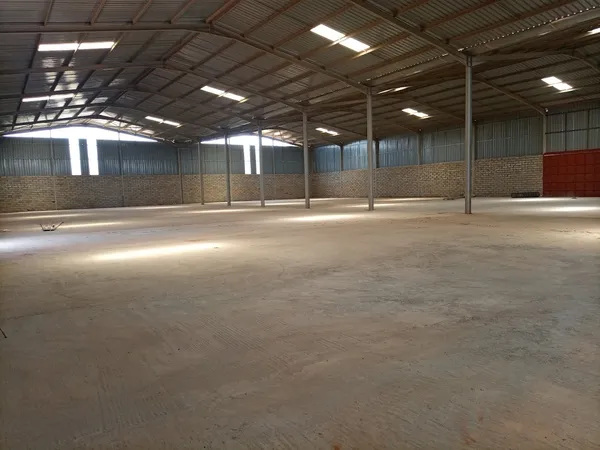
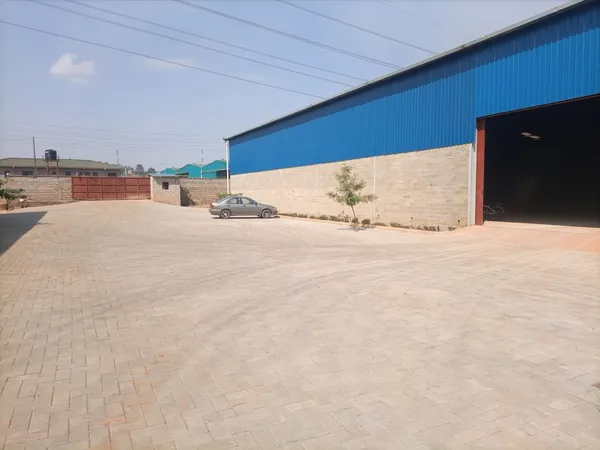
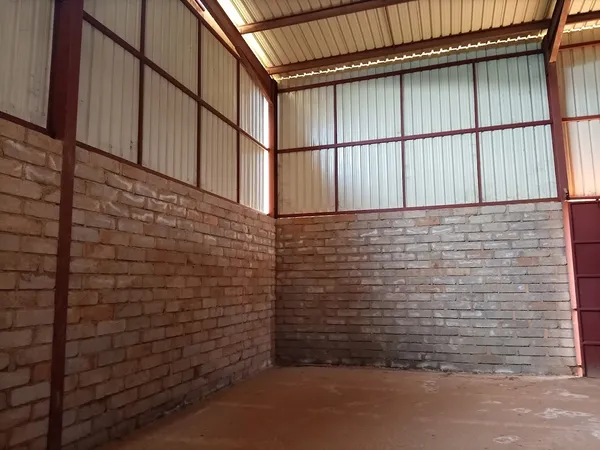
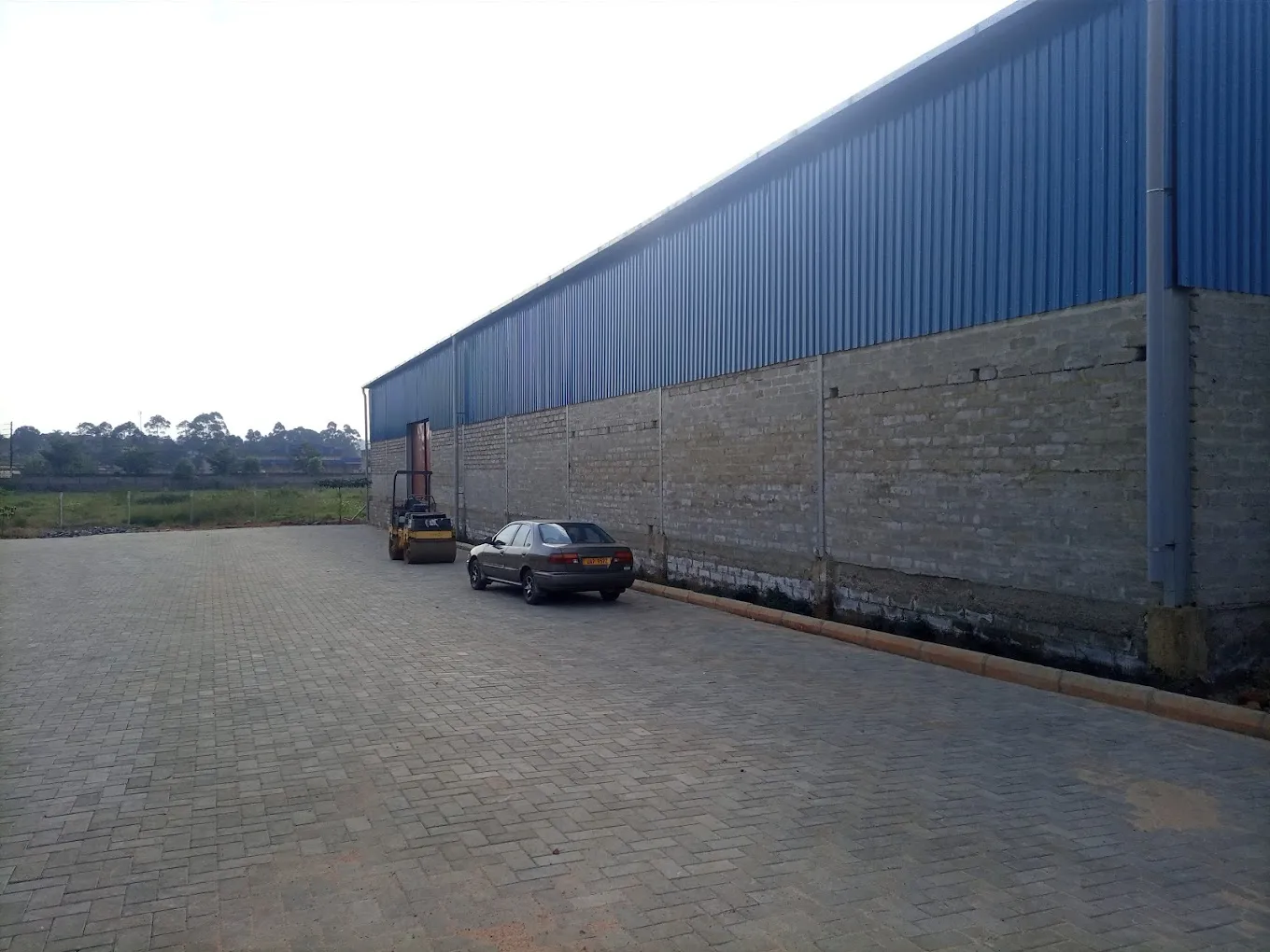
Private parks within Namanve vary in quality. Pio Industrial and Business Park is the leading privately managed facility in the zone — 400 metres from the main highway, with 8–12m factory units, three-phase power, and on-site management.
Rental range: UGX 18,000–30,000/sqm/month (warehouse); UGX 20,000–28,000 (factory); UGX 35,000–50,000 (office).
Based on leasing data at Pio Industrial and Business Park, the fastest-growing tenant sectors at Namanve in 2025–2026 are food and beverage processing, packaging and distribution, and pharmaceutical storage — driven by Uganda’s growing consumer market and EAC trade integration.
Luzira Industrial Area
Location: Southern Kampala, approximately 12 km from city centre, near Lake Victoria and Luzira Port Size: Established zone; older building stock with limited new development Managed by: No single zone authority; mixture of private landlords Access: Good road access within southern Kampala; less direct highway access to Northern Corridor than east Kampala zones Best for: Import/export via lake freight, container storage, businesses with significant lake-route logistics Limitation: Older building stock; distance from Northern Corridor adds road freight time
Luzira is one of Kampala’s oldest industrial areas. Building quality is variable — some stock dates from the 1970s and 1980s, while more recent development has improved the newer sections. The zone’s key advantage is lake access: businesses importing or exporting via Lake Victoria’s freight routes have a shorter internal journey from Luzira than from any other Kampala zone.
Rental rates run 10–20% below Namanve equivalents, making Luzira attractive for cost-sensitive businesses where lake-route access justifies the Northern Corridor distance trade-off.
Bweyogerere Industrial Zone
Location: East Kampala along the Kampala–Jinja road, approximately 10 km from city centre Size: Secondary zone; mix of established and newer development Managed by: No single authority; private landlords throughout Access: Kampala–Jinja road frontage; reasonable Northern Corridor access (slightly less direct than Namanve) Best for: SME manufacturing, cost-sensitive storage, light industrial operations Limitation: Infrastructure quality more variable than Namanve; zone management less consistent
Bweyogerere sits between Nakawa and Namanve on the eastern corridor. It offers a middle ground on price — typically 10–15% below Namanve — with reasonable highway access. For businesses that don’t need Namanve’s premium infrastructure, Bweyogerere is a credible alternative. Do a site visit and specifically ask about power uptime and security arrangements for any specific building before committing.
Nakawa Industrial Area
Location: East Kampala, approximately 7 km from city centre Size: Established zone; limited expansion room due to urban encroachment Managed by: Kampala Capital City Authority (KCCA) oversight; private landlords Access: Good city access; Northern Corridor access less direct due to urban traffic Best for: Import/export businesses, distribution with CBD interaction, businesses needing easy city-centre access Limitation: Traffic congestion significantly affects logistics times; limited large-footprint availability
Nakawa’s main advantage is proximity to the CBD. Businesses that need daily interaction with customs brokers, clearing agents, freight forwarders, or government offices value this highly. The trade-off is congestion — a loaded truck navigating Kampala inner-city traffic adds real time and fuel cost to every delivery cycle. For businesses where logistics volume outweighs CBD proximity, Namanve is a better choice.
Kampala Industrial and Business Park (KIBP) — Free Zone
Location: Namanve area, Kampala–Jinja Highway Size: Designated free zone area within the broader Namanve zone Managed by: Uganda Free Zones Authority (UFZA) Access: Same highway access as Namanve Best for: Export-oriented manufacturers, businesses selling into EAC markets, businesses qualifying for free zone fiscal treatment Limitation: Free zone compliance requirements (export commitment ratios); more complex administrative structure than standard zones
KIBP is Uganda’s designated Special Economic Zone for export-oriented manufacturing. Businesses operating within the free zone qualify for enhanced fiscal incentives: 10-year income tax holiday (extendable), VAT exemption on inputs, duty-free raw material imports, and simplified customs procedures for exports.
The free zone model works best for businesses with a clear export orientation — if your market is primarily domestic Uganda, standard industrial zone arrangements are simpler and equally cost-effective.
Jinja Industrial Zone
Location: Jinja, 80 km east of Kampala on the Nile, approximately 1.5 hours from Namanve Size: Established industrial area; multiple private parks Managed by: Jinja City authority; private landlords Access: Northern Corridor highway; Owen Falls power supply proximity Best for: Energy-intensive manufacturing, businesses using Owen Falls hydropower advantage, agro-processing (Lake Victoria sourced materials) Limitation: Distance from Kampala adds logistics time; smaller labour pool than Kampala
Jinja’s power advantage is genuine. Proximity to Owen Falls and Bujagali hydroelectric dams means more reliable grid connection and, historically, preferential industrial power tariffs. For energy-intensive manufacturing — steel re-rolling, cement processing, large-scale food processing — Jinja’s power position offsets its distance from Kampala’s labour market.
The Uganda Manufacturers Association has historically had a strong member presence in Jinja, making it a useful resource for businesses considering the zone.
Mukono Industrial Zone
Location: Mukono, 20 km east of Kampala on the Kampala–Jinja Highway Size: Smaller, developing zone Managed by: Mukono Municipal Council; private landlords Access: Kampala–Jinja Highway; between Kampala and Namanve Best for: Small to medium businesses wanting Northern Corridor access at lower cost than Namanve Limitation: Early-stage zone; less developed infrastructure and services than Namanve
Mukono sits between Kampala and Namanve — geographically well-positioned for Northern Corridor logistics, but with a smaller industrial cluster and less developed shared infrastructure than either zone. Rental rates are lower, but the trade-off is less zone-level management and fewer co-located service providers.
Masaka Industrial Zone
Location: Masaka, approximately 130 km southwest of Kampala Size: Smaller, developing zone Managed by: Masaka City Council; private landlords Access: Kampala–Masaka highway; proximity to Tanzania border trade routes Best for: Agro-processing (Lake Victoria and southern Uganda agricultural output), businesses serving southwest Uganda and Tanzania Limitation: Far from Kampala labour market; limited skilled industrial workforce locally
Masaka’s rationale is agro-industrial processing. The zone serves businesses that need to process agricultural output close to the source — sugar, coffee, tea, fresh produce — before transport to Kampala or export. For businesses serving the Tanzanian border market, Masaka’s position is useful.
How to Choose the Right Zone: Four Questions
Before shortlisting zones, answer these four questions honestly. They’ll narrow the field quickly.
1. How often do trucks move to/from your site? If you’re running 10+ truck movements per day, highway access is non-negotiable. Namanve or KIBP. If you have 2–3 movements per week, other zones become viable.
2. Does your operation need export or import facilitation? Export-heavy? KIBP free zone for fiscal treatment. Import-heavy via Mombasa? Namanve for Northern Corridor efficiency. Import via Lake Victoria? Luzira.
3. Is your labour force skilled or semi-skilled? Skilled manufacturing and engineering labour concentrates in east Kampala (Namanve, Nakawa, Bweyogerere catchment). Semi-skilled and general labour is more broadly distributed.
4. What’s your infrastructure minimum? If three-phase power, reliable water, and 24/7 security are non-negotiable, only Namanve and KIBP consistently deliver this across the board.
The zones that attract the most “we didn’t know what we were getting into” feedback from tenants are Bweyogerere and Luzira — not because they’re bad zones, but because infrastructure quality varies significantly between individual parks within the zone. In Namanve, the zone-level UIA investment has lifted the floor. In Bweyogerere and Luzira, the floor is set entirely by the individual landlord. Always inspect the specific building and the specific park — not just the zone.
Pio Industrial and Business Park: Namanve’s Leading Private Facility
Pio Industrial and Business Park is located at Namanve Industrial Park, 400 metres from the Kampala–Jinja Highway. Units from 1,000 sqm in warehouse, factory, and hybrid configurations. On-site management, 24/7 security, three-phase power, and generator backup as standard.
Contact Hazeda Kirunda, Property Manager:
- Phone: 0200 925 146 / +256200925146
- Email: hazeda@piolimited.com
For context on Uganda’s position in the wider region, read our East Africa industrial and warehouse space overview.
External resources: Uganda Investment Authority for investment registration; Uganda Manufacturers Association for sector networks and advocacy.