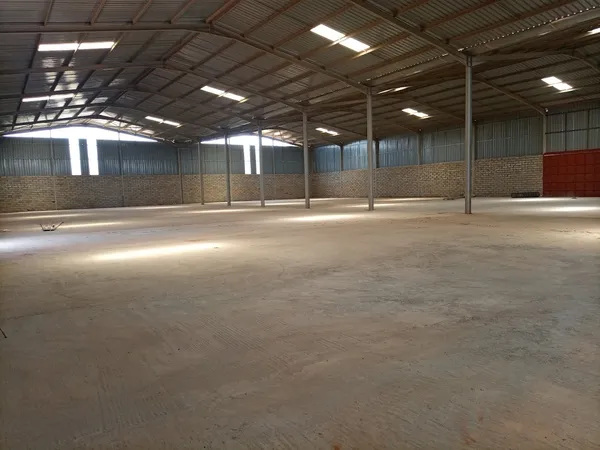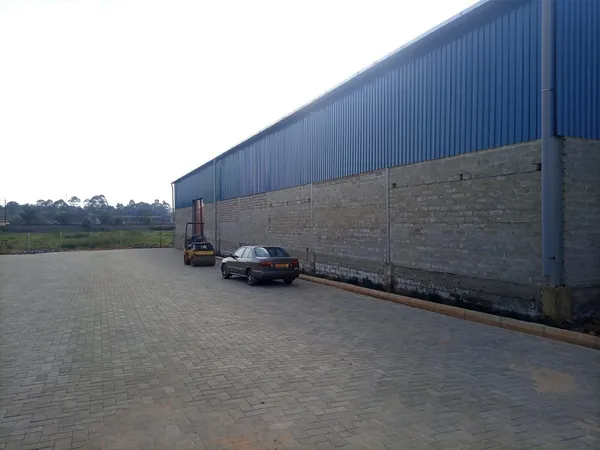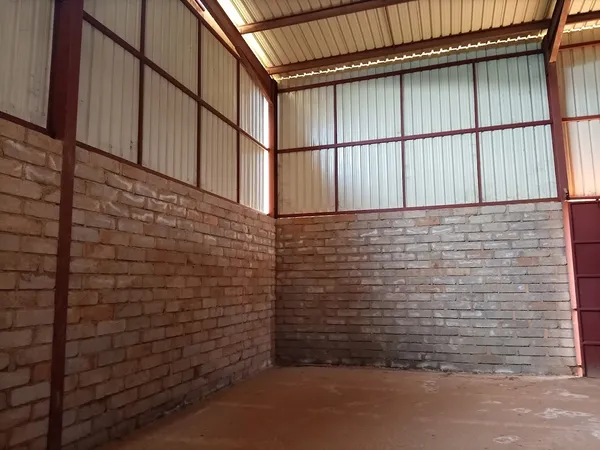
Logistics space is not the same as general warehouse storage. A building designed for distribution throughput has a specific set of requirements — loading dock ratios, staging areas, cross-dock configuration, and direct highway access — that a storage-only building doesn’t need to meet. Getting this distinction right before you sign a lease saves significant operational cost.
TL;DR: Logistics and distribution space at Namanve, Kampala runs UGX 20,000–30,000/sqm/month depending on specification. Namanve sits on the Northern Corridor — Jinja is 90 minutes away, Kigali 10–12 hours, Nairobi 12–14 hours. It’s Uganda’s primary logistics hub for EAC-wide distribution. Call 0200 925 146 or email hazeda@piolimited.com to discuss requirements.
For a complete pricing breakdown by zone and space type, see our 2026 warehouse rental prices guide for Kampala.
What Makes a Building Right for Logistics?
A logistics building serves movement, not just storage. The physical specifications that matter most are different from a standard warehouse.
Loading Dock Ratio
The loading dock ratio is the number of dock doors per 1,000 sqm of floor space. General warehouses can function with 1 dock per 1,000–2,000 sqm. Logistics and distribution buildings need a higher ratio: typically 1 dock per 500–800 sqm for active picking operations, more for cross-dock configurations.
A building with inadequate dock doors creates a bottleneck regardless of how efficient your internal operation is. Trucks queue, drivers wait, your throughput ceiling is defined by the number of doors — not by your team’s performance.
Cross-Dock Configuration
Cross-docking means freight arrives on inbound docks, is sorted, and leaves on outbound docks without entering storage. It works best when inbound and outbound dock faces are on opposite sides of the building, with a clear staging lane running between them.
Not every logistics operation needs a purpose-built cross-dock facility — many distribution businesses stage goods through a racked storage area. But if your model involves consolidation and redistribution (collecting goods from multiple suppliers and dispatching to multiple customers in the same cycle), cross-dock layout cuts throughput time significantly.
Staging Yard
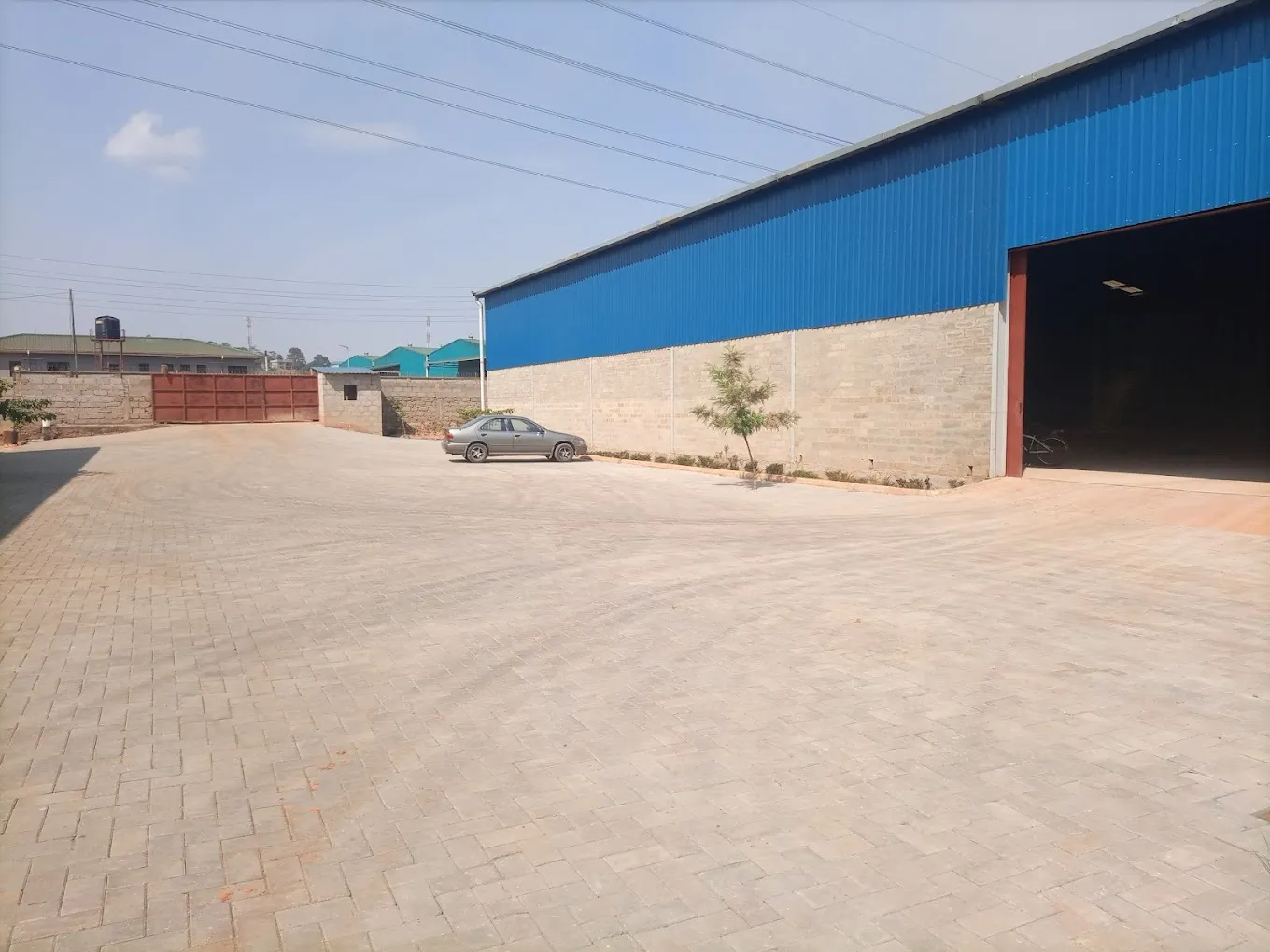
The staging yard is the hardstanding area around the building where trucks manoeuvre, wait, and load. For articulated trucks (16m+ overall length), a minimum 35m turning radius is required to dock cleanly. Constrained yards force partial loads, awkward manoeuvres, and safety incidents.
Pio Industrial and Business Park’s compound provides hardstanding and truck manoeuvring space appropriate for articulated vehicle movements — not just the smaller rigid trucks that many Kampala industrial properties are designed around.
Highway Frontage or Position
Every kilometre between your distribution centre and the highway adds time and fuel cost to every truck movement. For a business running 20 truck movements per day, a 5 km highway gap translates to roughly 200 km of additional driving — and the associated cost and time — every single working day.
We’ve found that the highway distance question is consistently underweighted by businesses shortlisting Kampala logistics space. The difference between a building 400 metres from the highway and one 3 km from the highway looks trivial on a map. It adds 15–20 minutes per truck movement in practice — and at volume, that becomes a significant line item.
Namanve’s Highway Access: Journey Times from the Distribution Centre
Namanve Industrial Park sits directly on the Kampala–Jinja Highway — the Northern Corridor’s Ugandan backbone. Pio Industrial and Business Park is 400 metres from the main highway. Typical road freight journey times for a distribution centre based at Namanve:
| Destination | Journey Time | Route |
|---|---|---|
| Jinja (Uganda) | 1.5 hours | Kampala–Jinja Highway direct |
| Malaba border (Kenya/Uganda) | 4–5 hours | Northern Corridor east |
| Nairobi (Kenya) | 12–14 hours | Northern Corridor via Malaba |
| Kigali (Rwanda) | 10–12 hours | Kampala–Kigali via Katuna |
| Mombasa (Kenya) | 3–4 days | Road freight via Northern Corridor |
| Dar es Salaam (Tanzania) | 4–5 days | Road freight via southern route |
| Juba (South Sudan) | 2–3 days | Northern Uganda route |
The Kigali journey time from Namanve (10–12 hours) compares favourably to routing from Nairobi (16–18 hours). For businesses distributing to Rwanda and the Great Lakes region, a Namanve-based distribution centre is the most efficient EAC hub — not Nairobi. This is a routing advantage that businesses with a Nairobi-first mindset frequently overlook.
East Africa Logistics Network Context
The East African Community covers 300+ million consumers across six member states. Distributing to this market from a single Ugandan base is viable because the Northern Corridor connects Uganda to every major EAC economy by road freight within 3–4 days.
Uganda’s geographic position is the defining advantage. It’s not the largest EAC economy — Kenya is — but it’s the most central for serving the landlocked markets. Rwanda, Burundi, South Sudan, eastern DRC, and northern Tanzania are all closer to Kampala than to Nairobi. For FMCG distributors, beverage companies, consumer goods importers, and agro-processers serving these markets, Kampala is the logical hub.
The Northern Corridor infrastructure has improved materially over the past decade. The Kenya–Uganda one-stop border post at Malaba reduced clearance times from 3–4 days to under 24 hours in most cases (EAC Secretariat, 2023). Ongoing Standard Gauge Railway development will further shift the logistics equation for high-volume importers over the next 5–10 years.
Pricing for Logistics Space at Namanve
High-specification logistics space commands a premium over basic warehouse storage. The premium reflects higher construction cost (more dock doors, stronger yards, better drainage) and the scarcity of buildings that genuinely meet logistics-grade specification in Kampala.
| Configuration | UGX/sqm/month | Notes |
|---|---|---|
| High-spec logistics (multiple docks, staging yard, cross-dock capable) | UGX 24,000–30,000 | Top of Namanve market |
| Basic distribution (adequate docks, good access, functional spec) | UGX 20,000–24,000 | Most common logistics arrangement |
| Hybrid storage + dispatch | UGX 18,000–22,000 | Predominantly storage, some distribution function |
Total occupancy cost for a 2,000 sqm logistics unit at Namanve: approximately UGX 60,000,000–80,000,000/month including service charges, utilities, and insurance. Based on Pio Industrial and Business Park leasing data, Q1 2026.
For a complete breakdown of pricing across all unit types, see our 2026 Kampala warehouse pricing guide.
For the full picture on Uganda as an East Africa logistics base, read our East Africa industrial and warehouse space guide.
Contact Pio Industrial and Business Park
For logistics and distribution space at Namanve, contact Hazeda Kirunda, Property Manager:
- Phone: 0200 925 146 / +256200925146
- Email: hazeda@piolimited.com
- Location: Namanve Industrial Park, Kampala–Jinja Highway, Kira Town
Site visits are available during business hours. The team will walk you through the compound, confirm dock configurations, truck access, and current unit availability — and provide a full cost proposal.
For profiles of all major Uganda industrial zones and how to choose between them, see our complete guide to industrial parks in Uganda.