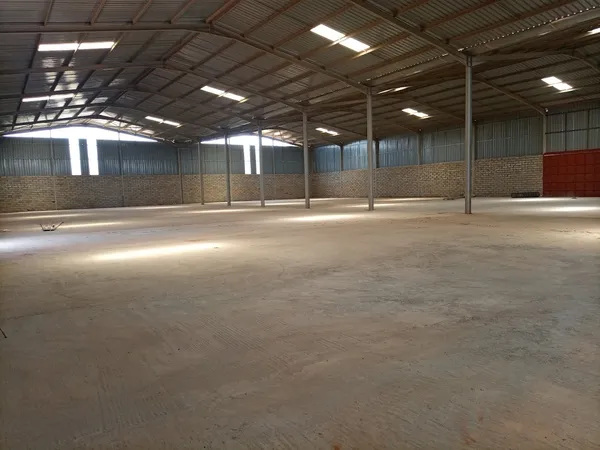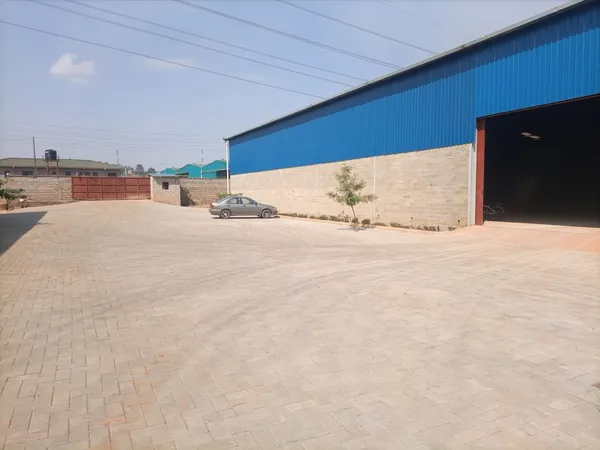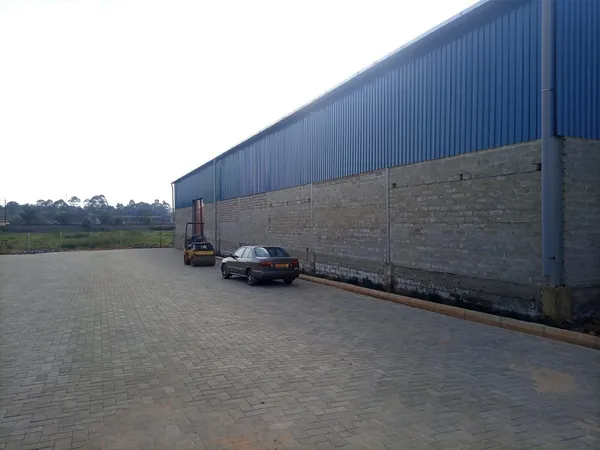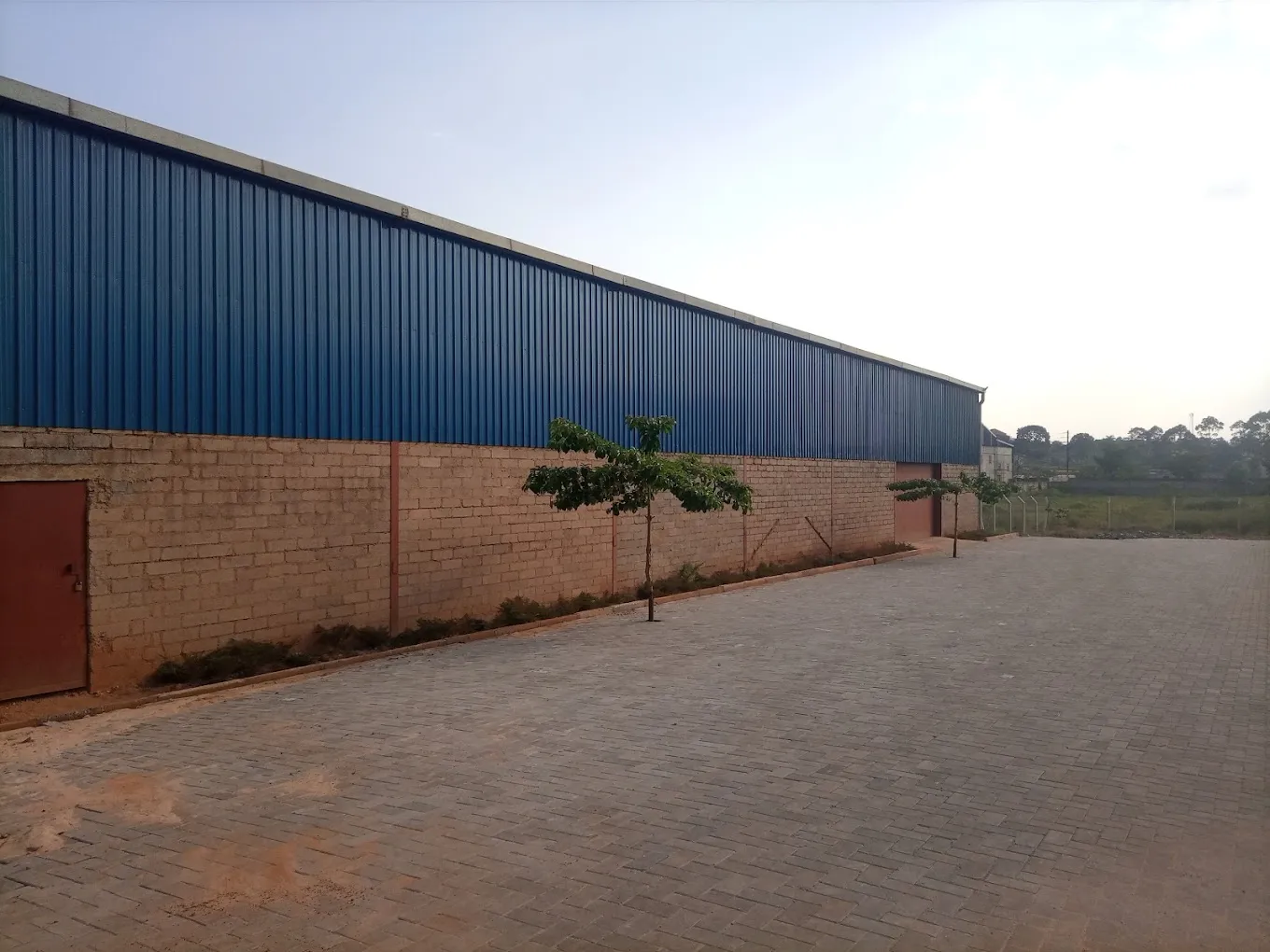
The East African Community covers six countries and more than 300 million consumers. For any business thinking about East African operations, the question of where to base your industrial or distribution facility is one of the most consequential decisions you’ll make. Kampala offers the lowest entry costs in the region, the most generous investor incentives in the EAC, and direct Northern Corridor access to every major landlocked market.
TL;DR: Uganda is the most cost-effective base for East African industrial operations. Warehouse space at Namanve runs USD 4–8/sqm/month — 30–50% below Nairobi. The Uganda Investment Authority offers a 5-year corporate tax holiday for qualifying manufacturers. Namanve sits directly on the Northern Corridor, with Mombasa reachable in 3–4 days and Kigali in 10–12 hours. Call 0200 925 146 or email hazeda@piolimited.com to discuss space requirements.
For pricing and zone comparisons within Kampala, start with our guide to renting industrial space in Kampala.
Why East Africa Is Attracting Industrial Investment
East Africa is one of the world’s fastest-growing manufacturing and logistics markets. The EAC’s combined GDP grew at an average of 5.2% annually between 2015 and 2024 (World Bank, 2024), and industrial space demand has tracked that growth closely. Three structural drivers are making the region increasingly attractive for industrial investors.
The African Continental Free Trade Area (AfCFTA) creates a 1.4 billion consumer market with reducing tariffs across 54 African Union member states. Businesses with a manufacturing or distribution base in East Africa can serve Sub-Saharan markets more efficiently than those operating from outside the continent.
Northern Corridor infrastructure investment has been significant. Kenya, Uganda, and Rwanda have invested heavily in road upgrades, border post efficiency, and logistics systems along the Mombasa–Kampala–Kigali corridor. Journey times and clearance delays have both reduced materially over the past decade.
EAC’s common external tariff means goods manufactured inside the EAC move freely across member states. A factory in Namanve can supply Rwanda, Tanzania, Kenya, South Sudan, and Burundi without import duty on finished goods — a structural advantage that external manufacturers simply don’t have.
East Africa City-by-City Comparison
Each major East African city has a distinct position in the industrial space market. Here’s an honest comparison:
| City / Zone | USD/sqm/month | Key Advantage | Key Limitation |
|---|---|---|---|
| Kampala / Namanve | USD 4–8 | Lowest cost, strongest incentives, Northern Corridor access | Smaller formal economy than Nairobi |
| Nairobi / Athi River | USD 6–12 | Largest economy, best logistics infrastructure, Mombasa proximity | Highest cost in the region |
| Dar es Salaam / Kisarawe | USD 5–10 | TAZARA rail link, Indian Ocean port access | SAGCOT corridor less developed than Northern |
| Kigali / Kigali SEZ | USD 7–11 | Best ease-of-doing-business ranking, strong governance | Small domestic market, landlocked |
Sources: World Bank — Uganda economic overview (2025); Uganda Investment Authority — Namanve Industrial Park data (2026); EAC Secretariat — regional market context.
Kigali’s high ease-of-doing-business ranking often attracts attention, but its small domestic market (Rwanda population: 14 million) and landlocked position mean Kigali works best as a regional hub for finishing and distribution, not for primary manufacturing. Kampala’s 50 million population catchment and direct Northern Corridor access make it the stronger primary base.
Uganda’s Investor Incentives: What the UIA Actually Offers
The Uganda Investment Authority offers a package of incentives that makes Uganda materially more attractive than most EAC alternatives for manufacturing and industrial investment.
Corporate tax holiday: Qualifying manufacturers receive a 5-year tax holiday on corporate income tax. For a business with USD 500,000 annual pre-tax profit, that’s a USD 150,000/year saving at Uganda’s 30% standard corporate rate.
Duty-free machinery imports: Capital equipment imported for qualifying industrial operations enters Uganda duty-free. For a production line costing USD 2,000,000, duty savings alone can reach USD 400,000–600,000.
VAT deferment: VAT on capital goods can be deferred during the investment period, reducing upfront cash requirements significantly.
Investment certificate: UIA’s investment certificate provides protection against expropriation, guarantees profit repatriation rights, and gives access to one-stop-centre services for all permits and registrations.
In our experience working with foreign investors establishing Namanve operations, the UIA registration and investment certificate process typically completes in 3–6 weeks for straightforward manufacturing and distribution businesses. The one-stop centre genuinely reduces the bureaucratic burden compared to navigating individual ministries.
The Northern Corridor Advantage for Namanve Tenants
The Northern Corridor is East Africa’s primary trade artery. It runs from Mombasa port through Nairobi, crosses into Uganda at Malaba or Busia, continues to Kampala, and extends to Kigali, Bujumbura, and Juba. Approximately 80% of landlocked East Africa’s import/export freight moves along this corridor.
Namanve sits directly on the Kampala–Jinja Highway, which is the Northern Corridor’s Ugandan spine. Typical road freight journey times from Namanve:
- Jinja / Owen Falls: 1.5 hours
- Malaba border (Kenya): 4–5 hours
- Nairobi: 12–14 hours
- Kigali: 10–12 hours
- Mombasa port: 3–4 days (road freight)
- Dar es Salaam: 4–5 days (road freight)
For a business serving the entire EAC from a single facility, Namanve’s position on this corridor eliminates the need for secondary distribution depots in each country — at least until volume justifies them.
See our complete guide to industrial parks in Uganda for profiles of all major zones.
Practical Process: Foreign Investors Establishing in Namanve
Establishing an industrial operation at Namanve as a foreign investor follows a clear sequence. None of these steps is uniquely difficult — and several happen simultaneously.
-
UIA registration — Register your investment with the Uganda Investment Authority. Minimum investment threshold for foreign investors: USD 250,000. Process: 3–6 weeks. One-stop-centre handles tax, permits, and sector licensing concurrently.
-
Space selection — Contact Pio Industrial and Business Park to view available units, confirm your specification requirements (power, floor load, clear height, office component), and receive a formal lease quote.
-
Lease execution — Legal review and signing typically takes 1–2 weeks for a straightforward commercial lease. Pio’s leasing documentation is clear and fully transparent on all costs.
-
Fit-out — Modifications required before occupation (power upgrades, partitioning, racking infrastructure) are agreed at lease execution. Standard fit-out lead time: 4–8 weeks depending on scope.
-
Operational setup — Utility connections, security arrangements, and access credentials are set up concurrently with fit-out. Pio’s on-site management team coordinates this directly.
Useful external resources: Uganda Investment Authority for investment registration; World Bank Uganda country page for economic context; East African Community for trade framework information.
Contact Pio Industrial and Business Park
Pio Industrial and Business Park, Namanve, is Uganda’s leading privately managed industrial facility on the Northern Corridor. Units from 1,000 sqm with warehouse, factory, and office configurations available.
Contact Hazeda Kirunda, Property Manager:
- Phone: 0200 925 146 / +256200925146
- Email: hazeda@piolimited.com
- Location: Namanve Industrial Park, Kampala–Jinja Highway, Kira Town