Renting industrial space in Kampala is a bigger decision than it might first appear. Location within the city varies dramatically in terms of infrastructure quality, highway access, and total operating cost — and the difference between a well-chosen unit and a poorly chosen one can show up in your logistics costs every single week.
TL;DR: Namanve is Kampala’s top industrial zone, with warehouse space from UGX 15,000–30,000/sqm/month. Pio Industrial and Business Park — 400m from the Kampala–Jinja Highway — leads the market on location, flexibility, and service. This guide covers pricing across all major zones, what to look for in a lease, and how the zones compare. Contact us or call 0200 925 146 to check availability.
Written by Hazeda Kirunda, Property Manager at Pio Industrial and Business Park.
Why Renting in Kampala Makes Financial Sense
Renting industrial space gives growing businesses something that buying doesn’t: flexibility. As demand shifts, your space can scale up or down without the capital locked in a property purchase. For foreign investors and regional businesses establishing East African operations, this matters — you’re not betting the full setup cost on a market you’re still learning.
Uganda’s economy has grown at 5–6% annually in recent years (World Bank, 2024), and industrial real estate demand has followed that trajectory. Kampala sits at the centre of the East African Community’s 300+ million consumer market, which makes it the most logical base for businesses serving Kenya, Rwanda, Tanzania, and South Sudan from a single facility.
The Uganda Investment Authority actively supports businesses choosing to base in Kampala’s industrial zones with tax incentives, duty-free machinery imports, and streamlined investment registration. See our dedicated guide to investment incentives for a full breakdown.
Four specific advantages justify renting over building:
- No construction capital tied up — Move-in timelines measured in weeks, not years.
- Flexibility to scale — Add or reduce space without selling property.
- Access to shared infrastructure — Security, utilities, parking, and loading facilities are already in place.
- Business cluster benefits — Operating alongside logistics, manufacturing, and distribution businesses creates natural supplier and partner networks.
Kampala’s Industrial Zones: A Zone-by-Zone Comparison
Not all Kampala industrial zones are equal. Here’s what each offers and what it’s best suited to.
Namanve Industrial Park
Namanve is Uganda’s largest and most developed industrial zone, positioned directly on the Kampala–Jinja Highway approximately 14 km east of the city centre. Highway access is the defining advantage here — businesses can move trucks in and out without navigating inner-city traffic. The zone hosts manufacturers, logistics operators, food processors, and distributors from across East Africa.
The Uganda Investment Authority has designated Namanve as a priority development area, which means ongoing infrastructure investment: road improvements, power grid upgrades, and expanding utilities. Of all Kampala’s industrial zones, Namanve has the most consistent infrastructure quality.
Best for: Large-scale manufacturing, logistics and distribution, businesses needing 2,000 sqm or more.
Pricing: UGX 15,000–30,000/sqm/month (warehouse); UGX 25,000–50,000/sqm (office).
Nakawa
Nakawa sits close to Kampala’s central business district, making it the most accessible zone for businesses that need regular interaction with city-centre clients, government offices, or the CBD. Smaller footprints are more common here, and the blend of light industrial and administrative uses makes it practical for import/export operations and distribution businesses with a client-facing component.
Best for: Import/export, distribution, businesses needing CBD access alongside storage.
Bweyogerere
Bweyogerere runs along the Kampala–Jinja road east of the city, offering more affordable rental options than Namanve with reasonable highway access. Infrastructure quality is more variable than Namanve, so it’s worth checking utilities carefully before committing. It works well for small to mid-sized manufacturers and businesses where cost is the primary constraint.
Best for: SME manufacturing, cost-sensitive businesses, light industrial operations.
Luzira Industrial Area
Luzira is positioned near Lake Victoria and the Luzira Port, making it the preferred zone for businesses with a significant import or export component — particularly those moving goods via lake freight. The trade-off is distance from the main highway network, which adds logistics time for road-based distribution.
Best for: Import/export businesses, lake freight operators, businesses near export terminals.
Kibuli
Kibuli offers small-footprint options close to the city centre at lower price points. The spaces are generally smaller and the infrastructure less developed than Namanve or Nakawa, but the city-centre proximity is a genuine advantage for service businesses and showroom operators.
Best for: Small businesses needing city-centre presence, showrooms, service companies.
Factors to Evaluate Before Signing a Lease
Choosing the right industrial space involves more than comparing rent per sqm. These are the questions worth asking before you commit.
Location and Highway Access
How far is the space from the highway? How long does a loaded truck actually take to reach it at 7 am? Distance on a map and real travel time under traffic are different numbers. For any logistics-intensive operation, verify drive time during peak hours.
Infrastructure Reliability
Ask specifically: What is average power uptime? Is there a backup generator, and who covers that cost? What is the water connection arrangement — dedicated or shared? Poor utilities cost more in downtime than you save on rent. For more on what to check, read our practical space-selection guide.
Security
24/7 CCTV, gated access, and manned security are the baseline for any credible industrial facility. Verify these in person — walk the perimeter, check the checkpoint, ask how incidents are logged and handled.
Lease Flexibility
Does the lease allow you to expand in place? What are the exit terms if your business changes direction? Are maintenance responsibilities clearly defined? Rent escalation clauses deserve particular attention — understand what triggers them and by how much.
Total Cost
Monthly rent is the starting number, not the ending one. Add utilities, maintenance fees, service charges, insurance, and transport costs to get the real monthly figure. For a transparent breakdown of all costs at Pio, contact us directly.
Pricing Across Space Types in Kampala
Rental costs vary by zone, space type, and amenities. These are the current market ranges:
| Space Type | Price Range (per sqm/month) | Notes |
|---|---|---|
| Warehouse / Industrial | UGX 15,000–30,000 | Namanve commands top of range |
| Office Space | UGX 25,000–50,000 | Prime parks at upper end |
| Hybrid (office + storage) | UGX 18,000–35,000 | Depends on split and fitout |
| Cold Storage | Premium above standard | Specialist facilities only |
Namanve vs Luzira: A warehouse unit in Namanve runs 10–20% higher than an equivalent unit in Luzira. That premium is justified for businesses where highway access reduces logistics costs — the saving on truck time and fuel often exceeds the rent difference within six months of operation. For businesses primarily moving goods by lake freight, Luzira’s lower pricing and port proximity make more sense.
For a deeper look at how pricing affects your total cost of operations, see our affordable industrial spaces guide.
What to Look for in Lease Terms
A commercial lease in Kampala should address these points clearly. If any are missing or vague, push for clarity before signing.
Expansion rights — Can you take additional units in the same park? Under what conditions and at what notice period?
Rent escalation — Most leases include annual adjustments. Understand the formula (fixed percentage, CPI-linked, or landlord discretion) and cap it where possible.
Maintenance responsibilities — Who handles building maintenance versus tenant fit-out? What’s the process for reporting and resolving infrastructure issues?
Exit terms — How much notice is required to vacate? What are the conditions for early termination? What happens to any fit-out you’ve installed?
Customisation rights — If you modify the space before move-in, is that permitted? Who owns those modifications at lease end?
For more guidance before your first lease negotiation, read our comprehensive renting guide.
Pio Industrial and Business Park: The Market Leader in Namanve
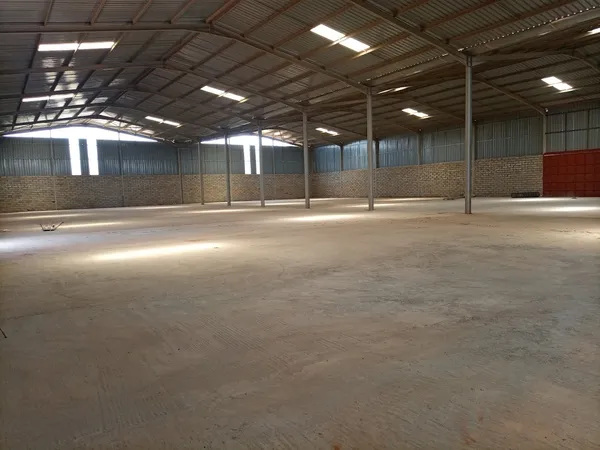
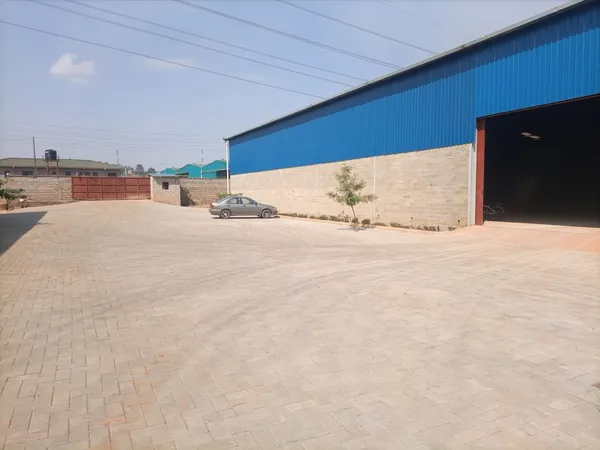
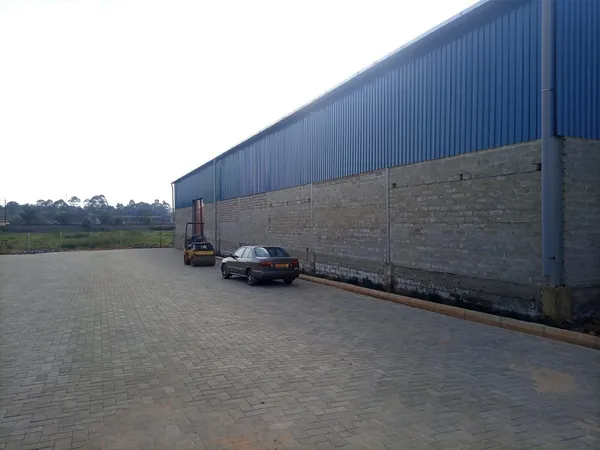
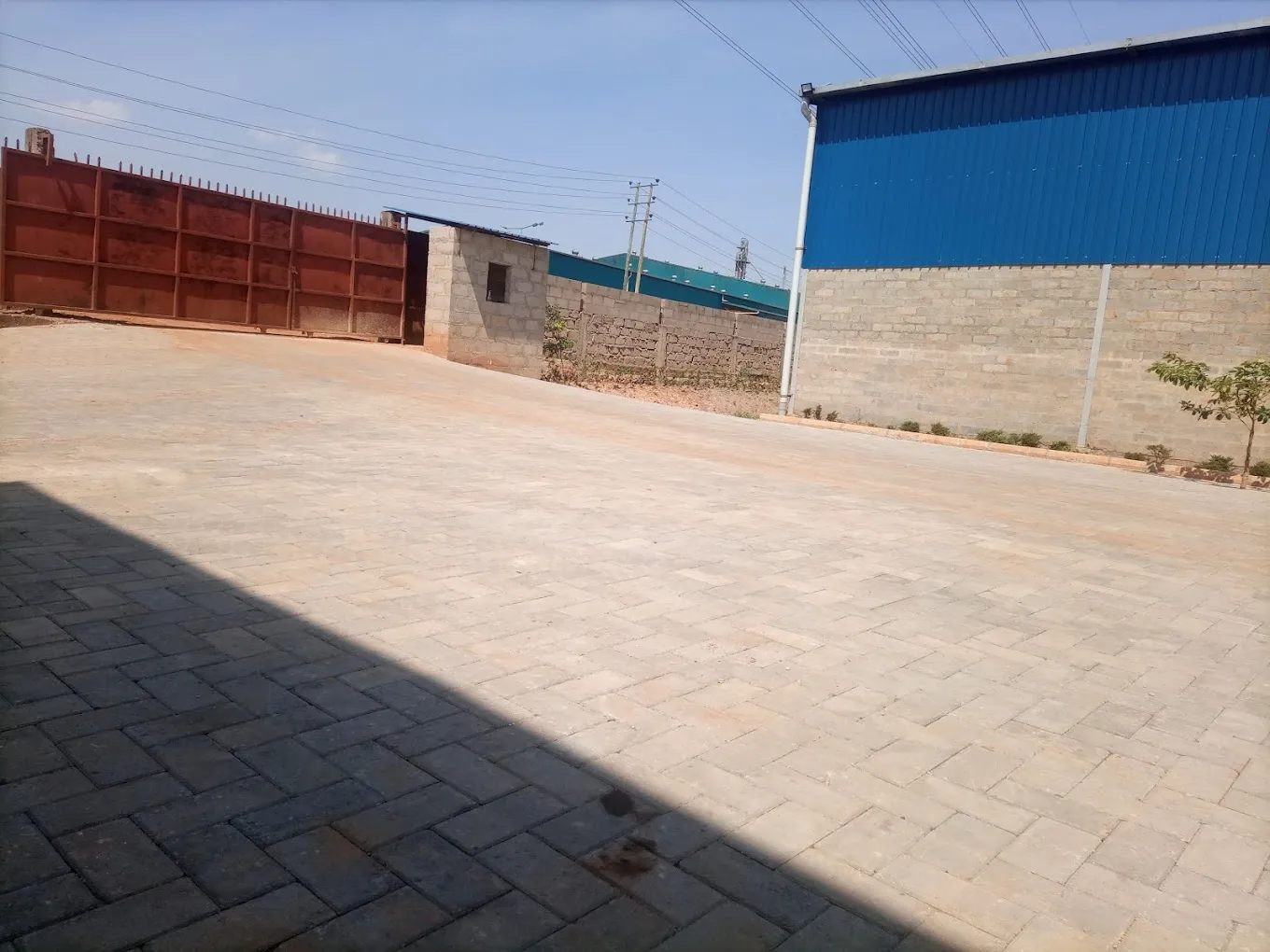
Pio Industrial and Business Park sits at the top of the Namanve market for three reasons: location, lease flexibility, and the quality of on-site management.
Location: 400 metres from the Kampala–Jinja Highway — closer to the main arterial road than most Namanve alternatives. That matters every time a truck leaves your loading dock.
Flexibility: Units from 1,000 sqm in 1,000 sqm increments up to 10,000 sqm. Short-term and long-term leases. Layout customisation before move-in at no additional cost.
Management: On-site team handles maintenance, security, utilities, and tenant support directly. You’re not routing requests through a remote landlord.
“The highway access is exactly as advertised — our delivery times dropped immediately after we relocated here.” — Stephen Erickson, tenant
“When we needed to reconfigure before moving in, the Pio team made it happen. That level of support is rare.” — Bronte Osborne, tenant
Call +256 200 925 146, email hazeda@piolimited.com, or get in touch online to check current availability and arrange a site visit.
The complete Kampala industrial space resource library:
- Why Kampala Is Ideal for Industrial Investment — incentives, infrastructure, and workforce
- Industrial & Business Space: Full Guide — space types, pricing, lease structure
- Affordable Industrial Spaces in Kampala — options for growing businesses
- Best Industrial Spaces in Kampala Today — zone-by-zone highlights and how to secure space